
Defined public challenge
A department frames the operating question, public benefit, owner and limits before solution activity begins.
DEFINED PUBLIC CHALLENGE → MUNICIPAL REVIEW → CONTROLLED PILOT DESIGN
FLAGSHIP PATHWAY · 02
Startup Runway helps municipal teams frame an appropriate public challenge, identify the relevant stakeholders and public-interest considerations, then determine whether a controlled pilot design is warranted.
Defined public challenge → municipal stakeholders → controlled pilot design
For public leaders who want a well-defined question before they invite solutions into the room.
THE PATHWAY
Every stage brings the right municipal stakeholders and practical guardrails into view before a solution moves forward.
Frame the service or operating problem, public benefit, accountable owner, guardrails and intended decision.
Identify the department, service owner, legal, procurement, data, security and community stakeholders appropriate to the question.
Define accessibility, privacy, safety, security, procurement, and delivery considerations before solution review.
Review relevant companies only against the documented criteria, public-interest boundaries and local operating fit.
Set the limited scope, accountable decision owner, timeline, and next-decision rule before a pilot is considered.
Municipal decision lens
The City pathway begins with a defined service question and brings the appropriate municipal stakeholders, public-interest conditions and controlled-pilot boundaries into view before a solution moves forward.
A department frames the operating question, public benefit, owner and limits before solution activity begins.
Relevant department, legal, procurement, data, security and community perspectives are identified for the stated question.
Accessibility, privacy, safety, security, and procurement requirements shape the review.
A focused pilot can be considered with an accountable owner, practical learning goals, a timeline, and a clear next-decision rule.
This page explains the pathway. Department detail, candidates, procurement, evaluation notes, and private outcomes stay inside the working conversation.
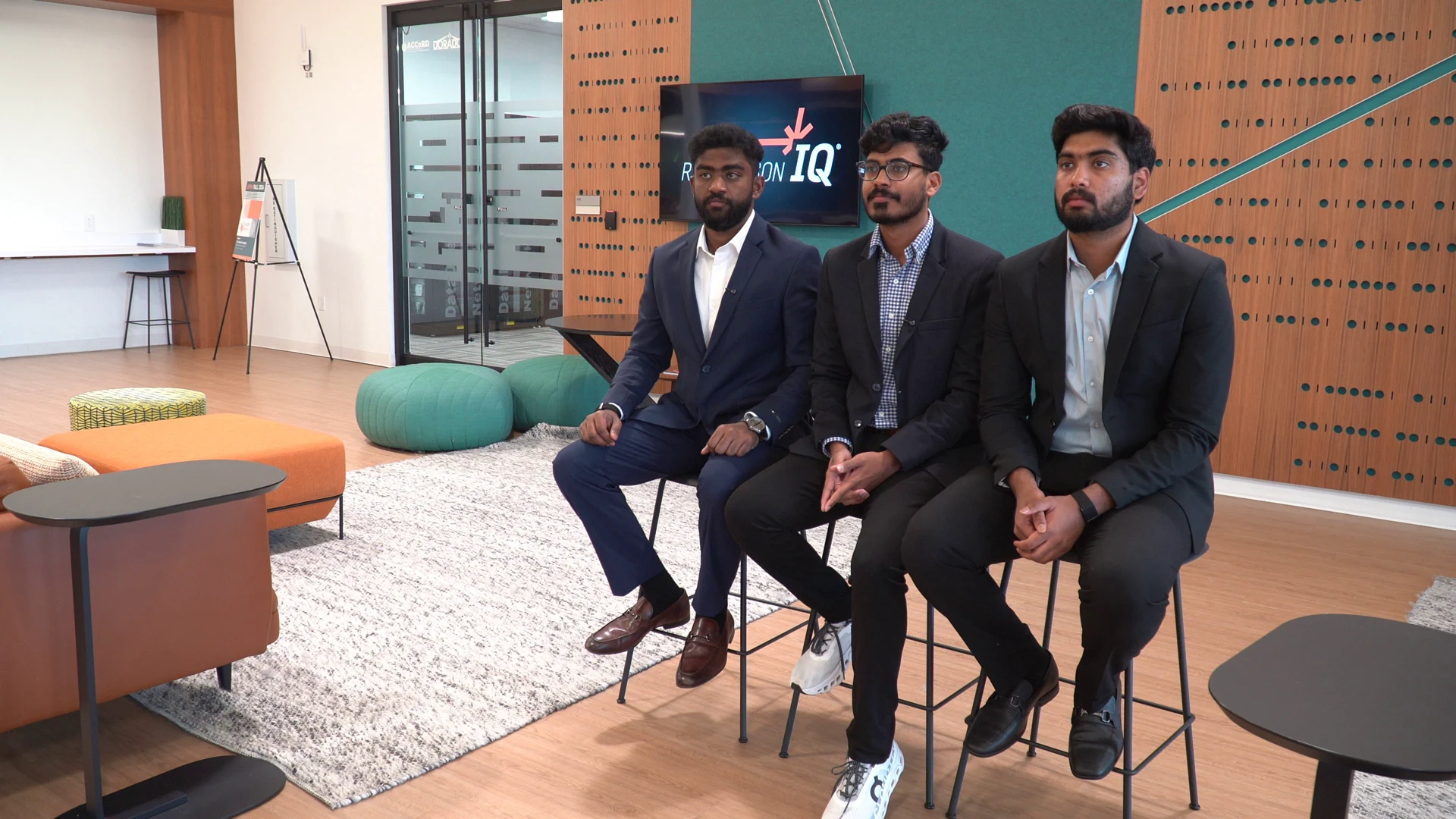 WFAA · Iris Mobility
DOCUMENTARY CONTEXT
WFAA documents Iris Mobility in Richardson with City context. It informs public innovation context only and does not disclose department challenges, procurement, pilot terms or evaluation outcomes.
View source contextNEXT DECISION
Start with the defined public challenge, appropriate municipal stakeholders and public-interest conditions needed to decide whether controlled pilot design is warranted.